Where you start isn't a verdict
17 September 2026 · Louis King, Customer Success & Operations
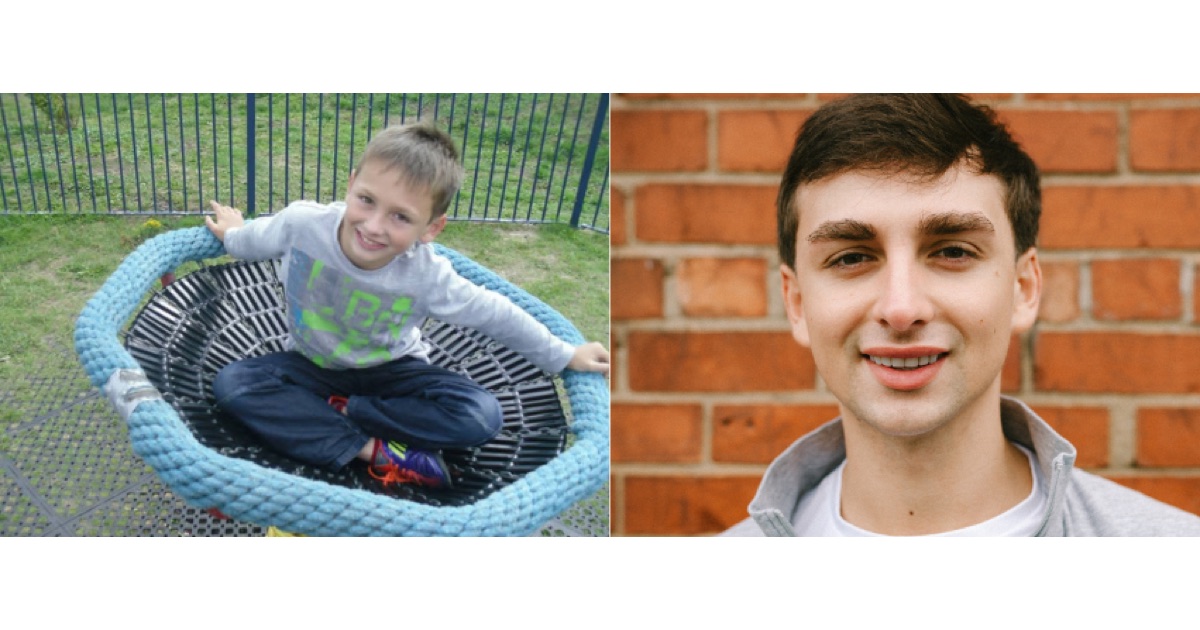
It's about two in the morning. The house is finally quiet. I'm sat at the desk in the office with a cup of something that went cold about an hour ago, writing up everything that's happened since I came on shift that morning.
The shift ended a while ago. The job didn't.
Anyone who's worked in a children's home knows this bit. It's not the incidents, or the sleep ins, or the shifts where everything seems to happen at once. It's the hour afterwards, when you're trying to remember at 2am what somebody said at 6pm and whether you've written it down properly enough that it actually means something to whoever reads it next.
I did that job for ten months while I was at uni. Part time, alongside my degree, other work and everything else that life throws at you as a young adult.
What the job is actually like
I think care work gets talked about in two extremes. Either it is made out to be completely heartbreaking or incredibly rewarding, when in reality it can be both, depending on the day.
What I'd say is this. It is the hardest job I've ever done, but a lot of the difficulty isn't actually the bit people imagine.
You get incidents. They're hard, and some of them stay with you. But a lot of what makes the job difficult is much more ordinary than that. It's the paperwork after every single thing that happens. It's finishing late and getting into bed hours after you should have. It's picking up an extra shift because someone is off. It's being the adult in a young person's life on a Tuesday in February when absolutely nothing dramatic is happening, which is actually most of the job and probably the part nobody sees.
And that's probably one of the hardest parts of the job to explain to people outside of it. You're not just doing twelve hours and clocking off. You celebrate birthdays. You know what they like for tea. You learn which songs they'll tolerate in the car and what "I'm fine" actually means depending on who's saying it. You also get to do some genuinely good things. Going out on activities, playing games, watching films, going for food or just messing around and having a laugh. Sometimes you find yourself doing things you haven't done since you were a kid, and in a strange way it can bring you back to your own childhood. For the time you're there, you're part of their everyday lives.
All of that for a wage that makes people wince when you say it out loud.
I'm not saying any of that to make the job sound bleak. I'd still recommend residential care to someone who is suited to it. I've had some of the funniest and most rewarding experiences I've had through that job. I just think it's important to be honest about what the job is actually like, because it isn't always easy and it isn't always rewarding, but it can be both of those things at different times.
Why it landed differently for me
My own background probably had some influence on why the job meant so much to me.
I didn't have much contact with my parents growing up, but I was given absolutely everything I could have wanted and needed by my grandparents and other family. Home wasn't always stable, but I was looked after. I always had food on the table, people around me who cared about me, and opportunities that I know not everyone gets. I was also the first person in my immediate family to go to university. While I was at uni, I also decided to go to Camp America, where I worked as a swimming teacher and general counsellor in Michigan. I was working with young people every day, looking after them, dealing with different personalities and situations, and generally figuring things out as I went. I loved the experience, and looking back, it probably played a part in why I ended up working in residential care.
When I started working in residential, there were parts of it that felt familiar. Obviously every young person and every situation is different, but I understood some of the things behind the behaviour. You quickly learn that every young person has their own story, and sometimes what you see on the surface isn't really what is going on underneath.
I've thought a lot about what I want to say about that, and this is where I've landed.
The house you're born into is not a verdict
I think where you come from can have a big impact on where you end up, but it doesn't have to decide it for you. I've seen that in my own life, but I've also seen it through working in residential care.
I'm not saying that having a difficult start in life is something you can just overcome if you work hard enough. That's not how it works. Circumstances matter, and some people have to deal with things that other people never will.
What I do think is that the people around you can make a huge difference. Someone who believes in you. Someone who gives you another chance. Someone who keeps showing up.
In a children's home, those people are often the staff on shift. They might not realise the impact they're having at the time, but sometimes just being there consistently can mean more to a young person than they know.
Which brings me to the job I do now
A few months ago, I was offered the opportunity to do some social media work for Leafnotes and to help deliver training to support workers on a new care management system.
It wasn't something I'd planned on getting into, but it was an opportunity I wanted to take. Having worked in residential care, I already understood a lot of the day to day reality of the people we were training, so I could relate to what they were doing rather than just talking about it from the outside.
Over the last few months, I've spent time working with support workers and registered managers, delivering training, helping people get used to the system and seeing how it actually fits into the way services work. It's given me a completely different perspective on the sector.
I've really enjoyed it, and it's also made me think more about where I want to go in the future. I'm interested in consultancy and the idea of helping organisations solve problems and improve the way they work. I don't know exactly what that will look like yet, but I know this experience has opened my eyes to a side of the sector I'd never really considered before.
The bit I'd want someone to take away
If you work in children's residential care, you'll already know most of what I've written about. You don't need me to explain what the job is like.
For me, the biggest thing I've taken from it is how much of the job comes down to the people. The staff you work alongside, the relationships you build with the young people, and the small things that probably don't feel that important at the time but can mean a lot.
There have been difficult days, but there have also been plenty of moments that I'll remember. Going out on activities, having a laugh, getting to know the young people and seeing different sides of them. You meet some genuinely great people through the job, both staff and residents, and that's probably what I'll remember most.
Working in residential care has also changed what I want to do in the future. It gave me experience I don't think I could have got anywhere else, and it's a big part of why I ended up taking the opportunity at Leafnotes. I don't know exactly where that will take me yet, but I know the experience I've had in care will stay with me wherever I go next.
Where you start in life can shape a lot, but it doesn't have to decide where you end up. I've seen that in my own life, and I've seen it in the people I've worked with too.